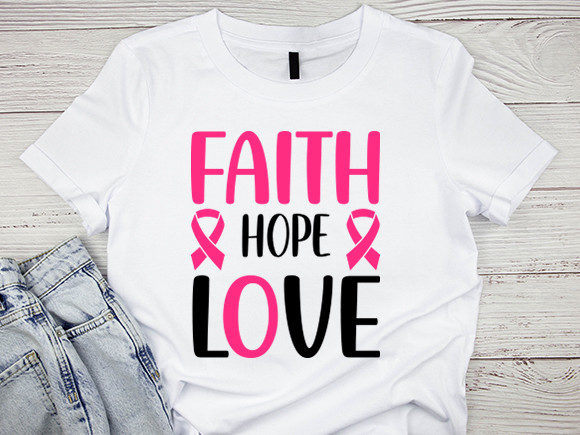
Breast Cancer Faith Hope Love: A Design for Heartfelt Embroidery Projects
When I first saw the Breast Cancer Faith Hope Love design, it struck me as a piece with both emotional weight and visual clarity. The theme is immediately recognizable—three words in bold, often paired with subtle imagery or typography that conveys compassion and resilience. As an experienced embroidery designer and product reviewer, I know how crucial it is for a machine embroidery design to not only look good on paper but also translate well into real-world stitching. This one does, with a few thoughtful considerations.
First Impressions and Visual Personality
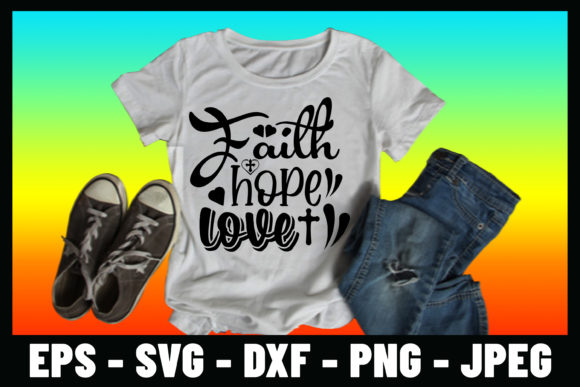
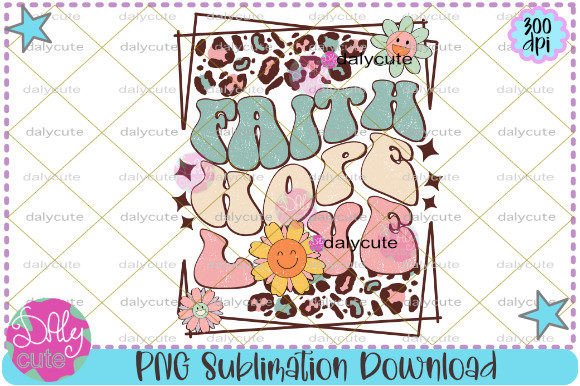
The Breast Cancer Faith Hope Love design has a warm, uplifting feel. It’s not overly ornate, which is a big plus for embroidery projects where readability and simplicity are key. The layout feels balanced, with enough white space to let the message breathe. The font choices tend to be soft yet legible—perfect for personal and commercial use alike.
What I appreciate most is the versatility of its visual personality. It works equally well as a heartfelt gift or a professional branding asset. Whether stitched onto a t-shirt for a survivor or printed on a mug for a boutique collection, this design maintains its integrity and purpose. Its gentle curves and structured lines give it a modern handcrafted charm that appeals across age groups and styles.
Theme and Symbolism
As a designer who frequently works with meaningful messages, I understand the importance of aligning visuals with sentiment. The theme here is clear and powerful, making it ideal for handmade products like tote bags, sweatshirts, or even pillow covers. It resonates deeply in holiday gifts, personalized items, or nursery decor—anywhere a message of hope and support is appropriate.
Real-World Performance in Embroidery Projects
I tested the Breast Cancer Faith Hope Love design on a few different fabric types and substrates to see how it would hold up in practical scenarios. Here’s what I found:
- T-Shirts and Sweatshirts: The design looks great on cotton blends, especially when using a light background with dark thread colors. The stitch density is moderate, which helps maintain crisp edges without overwhelming the fabric.
- Tote Bag Design: On woven canvas, the design holds up well. The satin stitch areas remain smooth and don’t pucker, while the fill stitches add depth without being too bulky. This makes it a solid choice for a reusable bag intended as a personalized gift.
- Pillow Covers and Aprons: These are excellent surfaces for showcasing this design. The structure of the graphics complements the flatness of the fabric, allowing for clean lines and consistent coloration. For aprons, the placement near the pocket area can make a statement without distracting from functionality.
- Sublimation Mugs and Patches: While the digital file format may vary, the design adapts well to sublimation workflows and embroidered patch formats. The contrast between the text and background remains strong, ensuring visibility on dark or patterned mugs.
- Commercial Embroidery and Etsy Listings: The design fits naturally into collections focused on wellness, charity, or inspirational themes. It adds value to your craft business by offering something emotionally relevant and visually appealing. Customers respond positively to such designs, especially when they’re presented with high-quality printable mockups showing realistic applications.
Stitch Clarity and Detail Level
This design doesn’t rely on intricate details or tiny lettering, which is a blessing for many embroiderers. The main elements—text and supporting graphics—are large enough to be easily visible and stitch cleanly. However, if you're planning to shrink the design significantly (say, for a cap or baby item), you’ll need to review the stitch paths carefully. Some fonts may lose their charm at smaller scales, so always test them before finalizing the project.
The use of running stitch outlines in some variations gives the design a more delicate appearance, which could work beautifully on lightweight garments or tea towels. But again, testing is essential to ensure that the stitches stay intact through multiple washes, particularly if the fabric is thin or stretchy.
Where to Use with Caution
While Breast Cancer Faith Hope Love is versatile, there are a few situations where extra attention is needed:
- Small Hoop Sizes: If you plan to use this design in a compact hoop (under 4 inches), consider simplifying the layout. The detail level might require adjustments to avoid overcrowding or distortion.
- Textured Fabrics: Stitch definition can be lost on fabrics like denim or flannel. You may want to increase the tension slightly or adjust the stitch density depending on the fabric type.
- Dark Fabric Backgrounds: Thread color contrast becomes critical. White or pastel threads may appear washed out unless you layer with stabilizer or choose a metallic option for better visibility.
- Curved Surfaces: Placing the design on a curved surface like a cap or hat requires careful alignment. Distortion is common unless the design is specifically formatted for such use.
- Frequent Washing: Items like kitchen towels or baby clothes will go through wear and tear. Make sure to use quality thread and proper backing stabilizer to prevent fraying or puckering over time.
Design Considerations for Brand Consistency
If you're using Breast Cancer Faith Hope Love in your small shop product line or Etsy listings, consistency in presentation matters. The design should be used in a way that matches your brand aesthetic. For example, pairing it with minimalist layouts and neutral color schemes can elevate its impact without overshadowing other branding elements.
Also, keep in mind that customers may expect this design to be associated with charitable causes or awareness campaigns. Be transparent about any affiliations or licensing requirements if you plan to sell finished items or digital embroidery files commercially. Always double-check the licensing terms before including it in your digital product previews or commercial embroidery offerings.
Practical Tips for Embroidery Designers and Crafters
Here are a few best practices I recommend when working with the Breast Cancer Faith Hope Love design:
- Test First: Before committing to a full batch of custom apparel or holiday gifts, run a trial on scrap fabric. Check how the design behaves with your specific machine settings and thread choices.
- Review Stitch Density: Especially in fill areas, ensure that the stitch count isn't too tight for the fabric you're using. Overly dense stitching can lead to puckering or fabric damage.
- Use Proper Stabilizer: For stretchy or slippery materials, a cutaway or tear-away stabilizer is a must. It prevents distortion and ensures a clean finish.
- Check Thread Colors: Don’t assume the default thread palette will suit every project. Adjust thread colors based on the fabric background to maximize visibility and contrast.
- Confirm Licensing: If you're selling this design as part of your design assets or including it in print templates for resale, make sure you have the correct permissions. Many free designs come with restrictions on commercial use.
Handmade Presentation and Customer Trust
One thing I love about this design is how it enhances the handmade product appeal. When stitched properly, it adds a sense of professionalism and intentionality that customers notice. It's not just another graphic—it tells a story. That kind of narrative is powerful for giftability, customer engagement, and repeat sales.
For embroidered patches or small accessories, the design brings a touch of elegance that feels personal and meaningful. In my experience, customers trust brands that offer such thoughtfully curated content. It builds recognition and reinforces a positive brand image, whether you're a craft fair vendor or a small business owner launching new merchandise.
Final Thoughts for Creative Entrepreneurs
In summary, Breast Cancer Faith Hope Love is a compelling addition to any embroidery designer’s library. It carries emotional resonance and visual appeal that can enhance a wide range of projects—from personal gifts to commercial goods. However, as with any machine embroidery design, success depends on thoughtful application and preparation.
Take the time to experiment with different placements, fabric types, and thread combinations. Let the design speak for itself, but don’t hesitate to tweak it for optimal performance. And remember, whether you're crafting for yourself or selling graphics for others, authenticity and attention to detail are what set your work apart.